Your Boston & Massachusetts abatement partner

Asbestos Testing Boston & Massachusetts

Before you renovate, know what you’re working with. JH Management brings an abatement-first perspective to asbestos testing, helping you move from suspect materials to informed, practical next steps.
Abatement is our foundation

Good removal starts with good information.

We are an asbestos abatement company first. Testing is the essential starting point that helps property owners, contractors and project teams decide what must happen before work begins.

Boston’s brownstones, triple-deckers, older schools and commercial buildings can contain asbestos in materials that look ordinary. A professional survey and laboratory analysis help distinguish an assumption from a documented finding.

Tell us what you plan to renovate or remove. We’ll help you establish the assessment needs and discuss how the findings inform an abatement plan—without treating every positive result as an automatic removal job. 

The right scope

Testing that fits the work ahead.

One suspect tile and an entire demolition project call for different assessments. Start with the building, the materials and the work you intend to do.

01

A specific concern

Targeted material testing

A focused assessment of suspect materials in a defined area, such as floor tile, pipe insulation or textured finishes. The scope should match exactly what your project may disturb.

02

A specific concern

Pre-renovation & demolition surveys

A broader survey of materials affected by your planned work. Share drawings and demolition limits so an appropriately qualified inspector can define the areas and materials to assess.

03

The bigger picture

Residential & commercial assessments

Planning for a home, multi-family property or commercial building. Discuss accessible areas, existing reports and future work to establish the right inspection scope—not just a single sample.
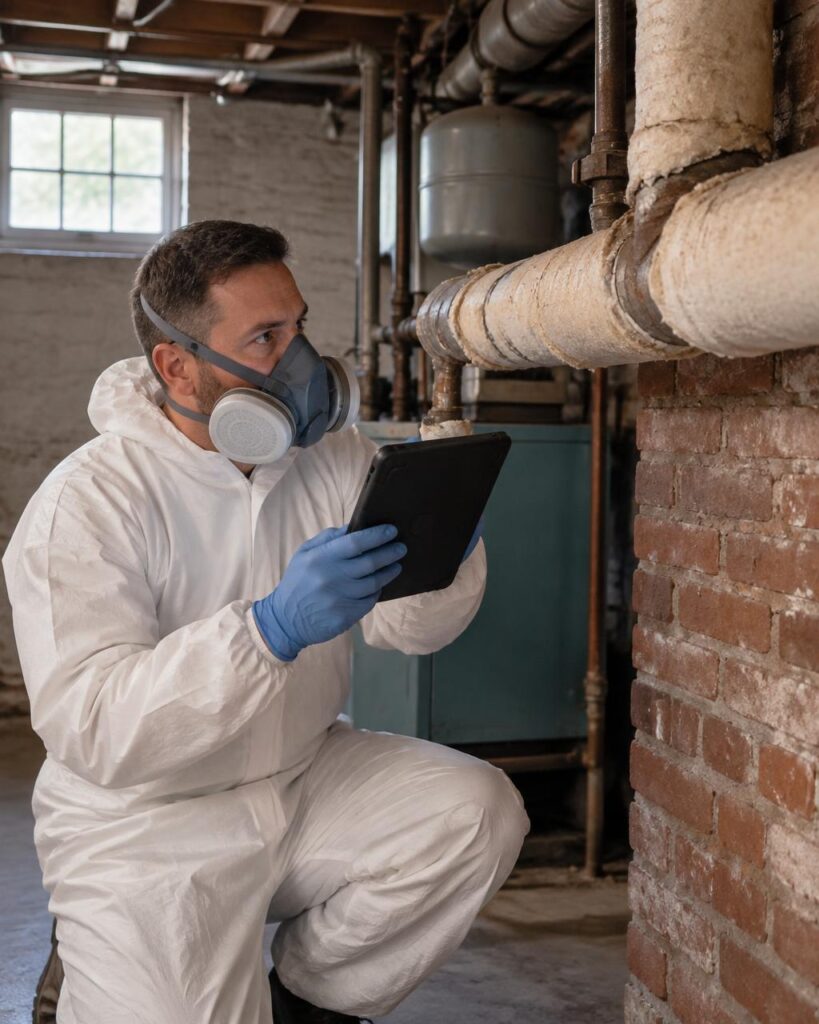
testing inspection BWwlKijf
When to call

Before disturbance. Not after.

A kitchen remodel, a boiler replacement or a commercial fit-out can disturb materials that have remained intact for years. Arrange an assessment while your project is still being planned.

Renovating or demolishing

Identify suspect materials within the work area before cutting, drilling, stripping or demolition.

Finding damaged materials

Get professional advice when insulation or other suspect materials are deteriorating or have been disturbed.

Planning a property investment

Use an appropriately scoped assessment to inform renovation budgets and future work—not as a blanket guarantee.

01

Pipe & boiler insulation

Lagging, fittings and insulation around older heating systems.

02

Floor tile & adhesives

Resilient floor tile, sheet-flooring backing and underlying mastics.

03

Ceilings & wall finishes

AHERA-compliant work plans for MA public and private schools, hospitals and universities.

Common suspect materials

Often hidden. Never identified by sight alone.

These materials may contain asbestos. Their presence is a reason to assess—not proof of asbestos. Age alone is not a substitute for a survey.

04

Roofing & siding

Cement siding, roofing products and related exterior materials.

05

Attic insulation

Vermiculite insulation requires special care and professional guidance.

06

Other building materials

Fireproofing, cement panels and other suspect materials in the work area.
From inspection to answers

What to expect from the testing process.

Define the work

Share the address, planned renovation, affected areas and any previous reports. Agree on the inspection scope and access needs.

Assess & sample

An appropriately qualified inspector evaluates suspect materials and determines controlled sampling methods and locations.

Analyze & document

Samples are analyzed by a qualified laboratory. The report records sampled materials, locations, findings and scope limitations.

Plan the next step

Review what the results mean for your work. If abatement is needed, establish the removal scope before other trades proceed.

From inspection to answers

A report is only useful if you can act on it.

Your project team needs more than a yes-or-no answer. Review where samples came from, what materials were tested and what the inspection did—and did not—cover.
Bulk material testing, air monitoring and post-abatement clearance serve different purposes. We’ll help you understand which assessment belongs at each stage.
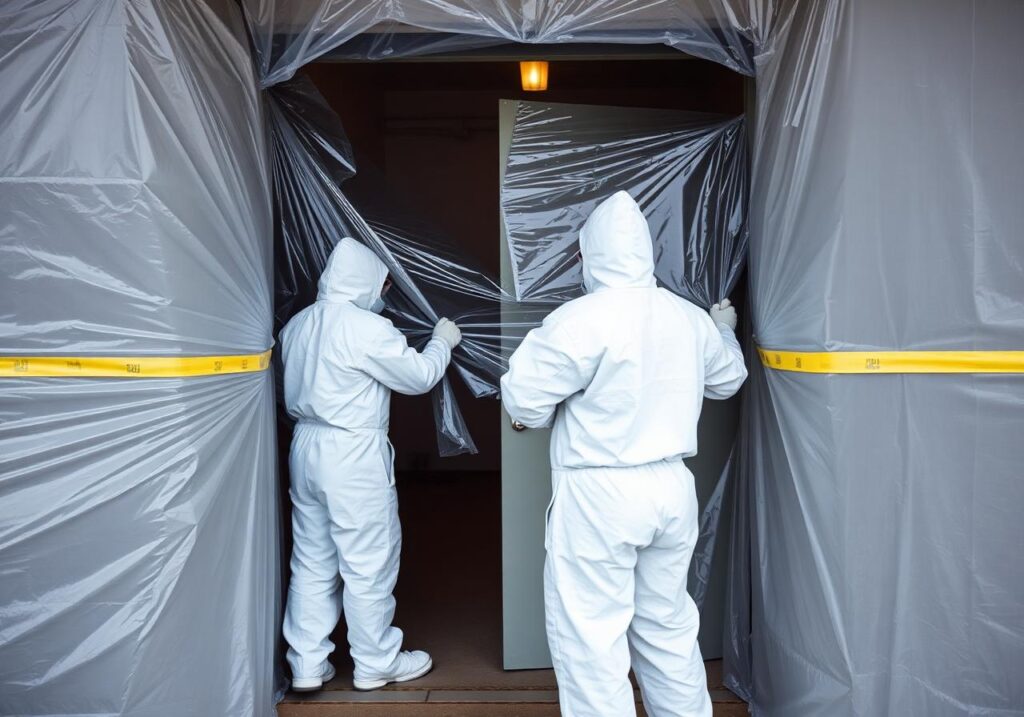
containment C2TYSOuJ
If asbestos is found

An answer. Then a measured plan.

Some intact asbestos-containing materials may be managed in place when they will not be disturbed. Materials affected by renovation, damage or demolition may require a different approach.

When removal is necessary, asbestos abatement is our core work. JH can discuss containment, controlled removal, waste handling and appropriate independent clearance with your project team. The testing findings inform that scope; they do not replace it.

Local buildings. Local context.

Boston and beyond.

From Back Bay renovations to Cambridge multi-family properties and commercial projects across Massachusetts, start with a testing scope that reflects your building and your plans.
Elsewhere in Massachusetts? Contact us to confirm assessment availability for your property.
Common questions

Know before you begin.

Straight answers about testing, project planning and what comes next.
No. Color, age and appearance may suggest a material warrants assessment, but they cannot confirm asbestos. An appropriately qualified professional can determine the sampling approach, and laboratory analysis is used to identify asbestos in sampled materials.
MassDEP guidance calls for a thorough asbestos survey before demolition or renovation of a structure, regardless of its age. The survey should cover materials that the work will affect. Discuss your plans with a qualified Massachusetts asbestos professional and confirm the requirements that apply to your project before work starts.
Cost depends on the property, access, inspection scope, number and types of samples, laboratory methods and reporting needs. Contact JH with your address and planned work for a project-specific scope and quote. A targeted material assessment and a building-wide demolition survey are different services.
Timing depends on inspector availability, the number of samples, laboratory workload and the analysis required. Ask us to confirm the expected inspection and reporting schedule for your project before booking. Do not start work on suspect materials while results are pending.
A positive finding does not automatically mean every material must be removed. Condition, location, the planned work and applicable requirements determine the next step. If removal is needed, JH can discuss an asbestos abatement scope, containment, waste handling and independent verification appropriate to the project.
EPA recommends sampling by a properly trained and accredited asbestos professional. Cutting, scraping or breaking a material to obtain a sample may release fibers. Leave suspect material undisturbed and arrange a professional assessment rather than attempting a DIY sample.
No. Bulk material analysis checks the sampled building material for asbestos. Air sampling evaluates airborne fibers under a defined method and purpose. Post-abatement clearance is a separate verification stage. An air test does not replace a survey of the materials your renovation will disturb.
No. Results apply to the sampled materials and the scope of the inspection. Inaccessible areas, different material layers and materials outside the surveyed area may require further assessment. Review the report’s locations, methods and limitations before using it to plan work.
Start with clarity

Planning work on a Massachusetts property?

Tell us about the building and the work ahead. We’ll help you discuss the testing needs and the path to abatement, if required.