Finding asbestos before a sale is stressful, but it rarely kills a deal. Massachusetts law is more lenient than many states. It is not a free pass, though. This guide explains your obligations and options. It is general information, not legal advice, so talk to a Massachusetts real estate attorney about your situation.
Do you have to disclose asbestos in Massachusetts?
Massachusetts follows caveat emptor, or “buyer beware.” There is no state-mandated seller disclosure form, and no statute that specifically requires residential sellers to report asbestos.
That does not mean you can stay silent about what you know. Massachusetts law draws a firm line between saying nothing and actively misleading:
- You cannot lie. If a buyer or their agent asks about asbestos, you must answer honestly.
- You cannot conceal. Hiding a known defect, such as covering damaged insulation or painting over problem material to prevent discovery, can expose you to fraud and misrepresentation claims, including under Chapter 93A, the state consumer protection law.
- Forms you sign are binding. Many agents ask sellers to complete a property condition statement. Whatever you put on it must be truthful. Some Massachusetts attorneys advise against signing optional forms, so ask yours.
Other disclosures do apply to Massachusetts sales, including lead paint for pre-1978 homes under federal law and septic (Title V) requirements. Asbestos is a separate matter, but your attorney can confirm the full list.
Why disclosing is usually the smarter move
If you know about asbestos, telling buyers up front is usually safer than hoping it never comes up:
- It protects you against post-closing claims.
- Buyers often find it anyway during renovation planning or inspection.
- Surprises late in the process damage trust and can collapse a deal.
- Confident, documented disclosure reads as responsible ownership.
Your options when asbestos is present
1. Sell as-is. You can sell without removing anything. Disclose honestly, price accordingly, and expect buyers to factor in testing or abatement costs. This suits intact, non-friable materials.
2. Test first. Many suspected materials turn out not to contain asbestos. A certified inspector’s lab results turn an unknown into a documented fact, which gives buyers confidence.
3. Encapsulate. If material is intact and will stay undisturbed, sealing it can be a lower-cost way to address concerns.
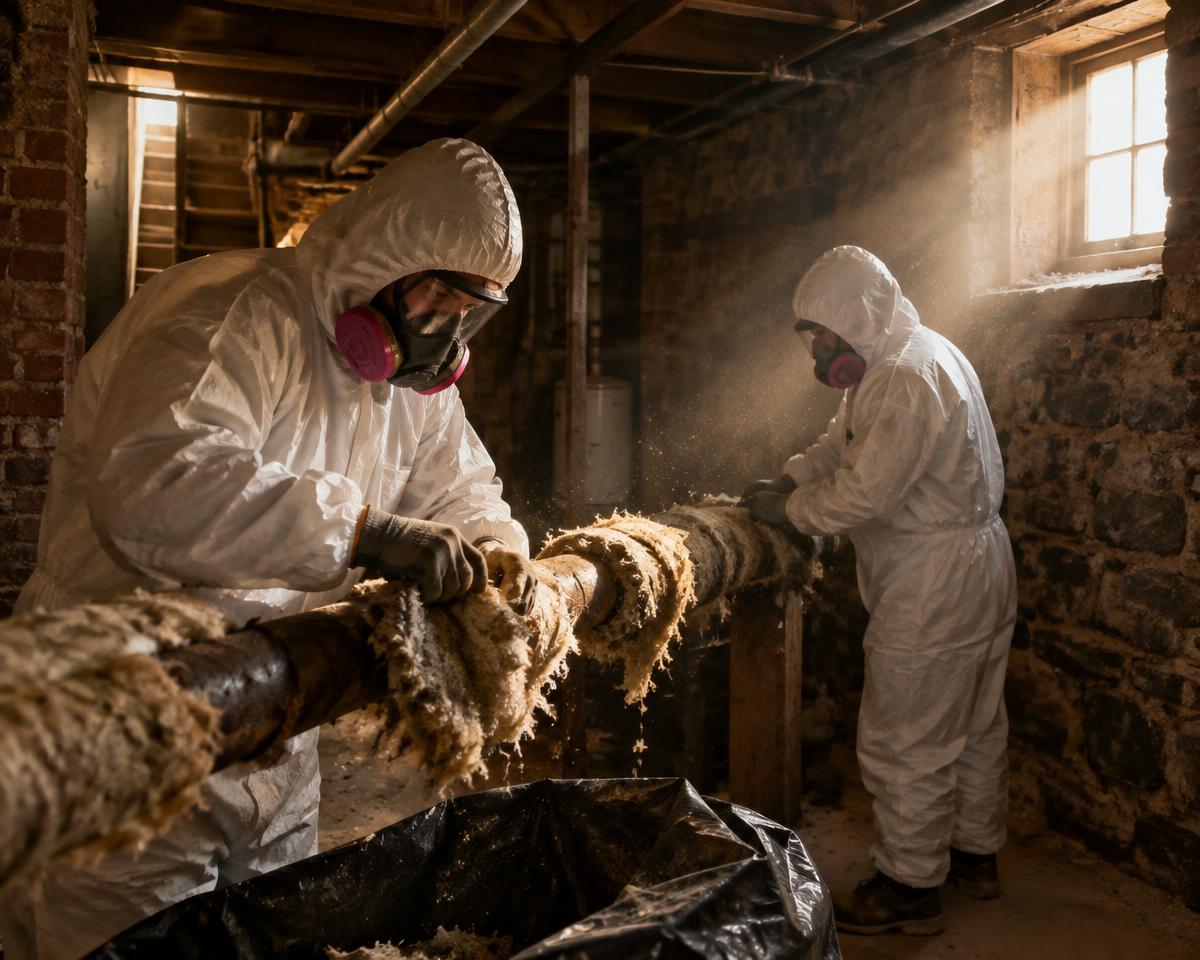
4. Remove before listing. Removal gives buyers a cleaner story and a cleaner closing, especially for damaged material or homes likely to be renovated. The work must be done properly:
- Use a DLS-licensed abatement contractor.
- Allow for the ten-working-day notification to MassDEP and DLS.
- Keep the air clearance report and waste manifests. Buyers and their lenders may ask for them.
5. Offer a credit or price adjustment. Instead of removing, negotiate a concession so the buyer handles abatement during their own renovation.
What buyers’ side will do
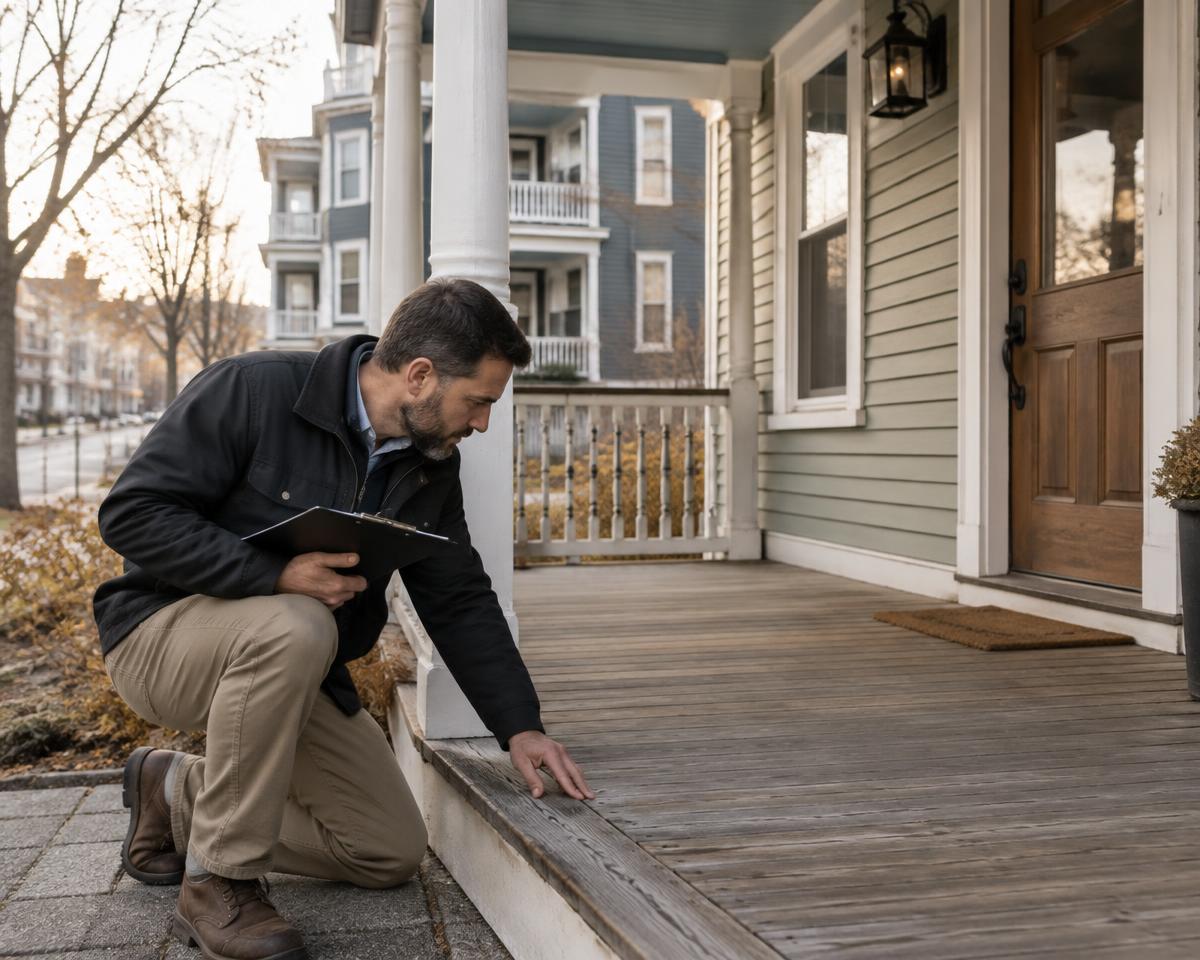
Standard home inspections don’t test for asbestos, but inspectors often flag suspect materials. A buyer planning renovations may order testing. Lenders and insurers rarely block a sale over intact asbestos, but visible damage can raise questions. Having documentation ready shortens negotiations.
Don’t attempt a DIY fix before listing
Scraping tile, tearing out pipe wrap, or removing a ceiling yourself can release fibers into your home and break Massachusetts regulations. It also creates a worse problem than the one you started with: contamination you now have to disclose and remediate. If you’re getting the home ready to sell, bring in licensed professionals first.
A practical pre-sale checklist
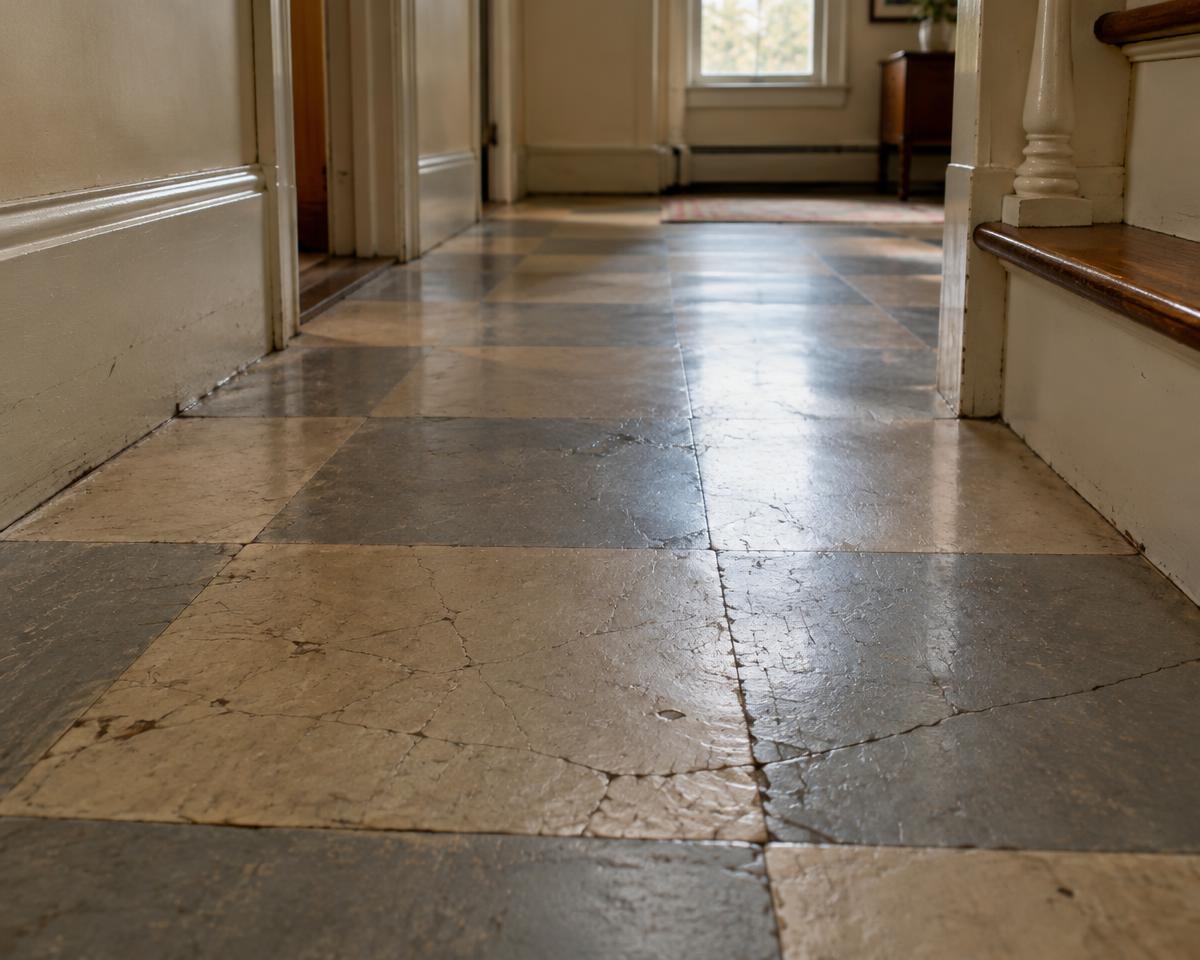
- Identify suspect materials, such as old floor tile, pipe wrap, popcorn ceilings, and vermiculite.
- Have a certified inspector test them.
- Decide whether to leave, encapsulate, or remove.
- Consult a real estate attorney on disclosure language.
- Keep all reports, clearance results, and invoices in a sale file.
Sell with fewer surprises
JH Management Abatement Group helps Massachusetts sellers get testing, scoping, and, when needed, licensed removal done on a schedule that fits their listing. Our written quotes arrive within 48 hours, and every project closes with independent third-party air clearance and archived documentation.
Request a free site assessment or call (617) 955-6875.
FAQ
Can a buyer back out of a sale because of asbestos?
That depends on your purchase and sale agreement and its inspection contingencies. Discuss this with your attorney before signing.
Will asbestos lower my home’s value?
It can affect negotiations, especially if renovation is likely. Documentation, testing, and a clear plan limit the impact.
Do I need to remove asbestos before selling?
No. Massachusetts doesn’t require removal as a condition of sale. Removal is a business decision, unless the material is damaged or poses a hazard.