“Wasn’t asbestos banned decades ago?” It’s one of the most common questions we hear from Boston homeowners. The short answer is that it was only partly banned, and nothing in the law required existing asbestos to be removed from homes.
A short timeline of U.S. asbestos regulation
- 1970s: The EPA banned spray-applied asbestos insulation and certain other uses. Asbestos remained legal in thousands of products.
- 1989: The EPA issued a broad ban-and-phase-out rule under the Toxic Substances Control Act.
- 1991: A federal appeals court (the Fifth Circuit) overturned most of that rule. Many asbestos products stayed legal.
- March 2024: The EPA finalized a ban on chrysotile asbestos, the only type still imported for use in the U.S.
- Now: That 2024 rule is tied up in litigation in the Fifth Circuit while the EPA reconsiders it, so its enforcement status remains uncertain.
The U.S. has never had a complete ban on all asbestos types. Even a fully enforced 2024 rule would not require removal of asbestos already installed in buildings.
Why this matters for Boston
Asbestos use peaked through the mid-20th century and tapered off in the 1970s and 1980s, but products containing it stayed on the market well after. Boston’s housing stock is among the oldest in the country:
- Triple-deckers in Dorchester and Jamaica Plain
- Brownstones and rowhouses in Back Bay, the South End, and Beacon Hill
- Mill conversions in Lowell and Lawrence
- Mid-century schools, hospitals, and apartment buildings
Asbestos was valued for heat resistance, strength, and low cost. In these buildings it was routinely used in everyday materials.
Where asbestos hides in older Massachusetts homes
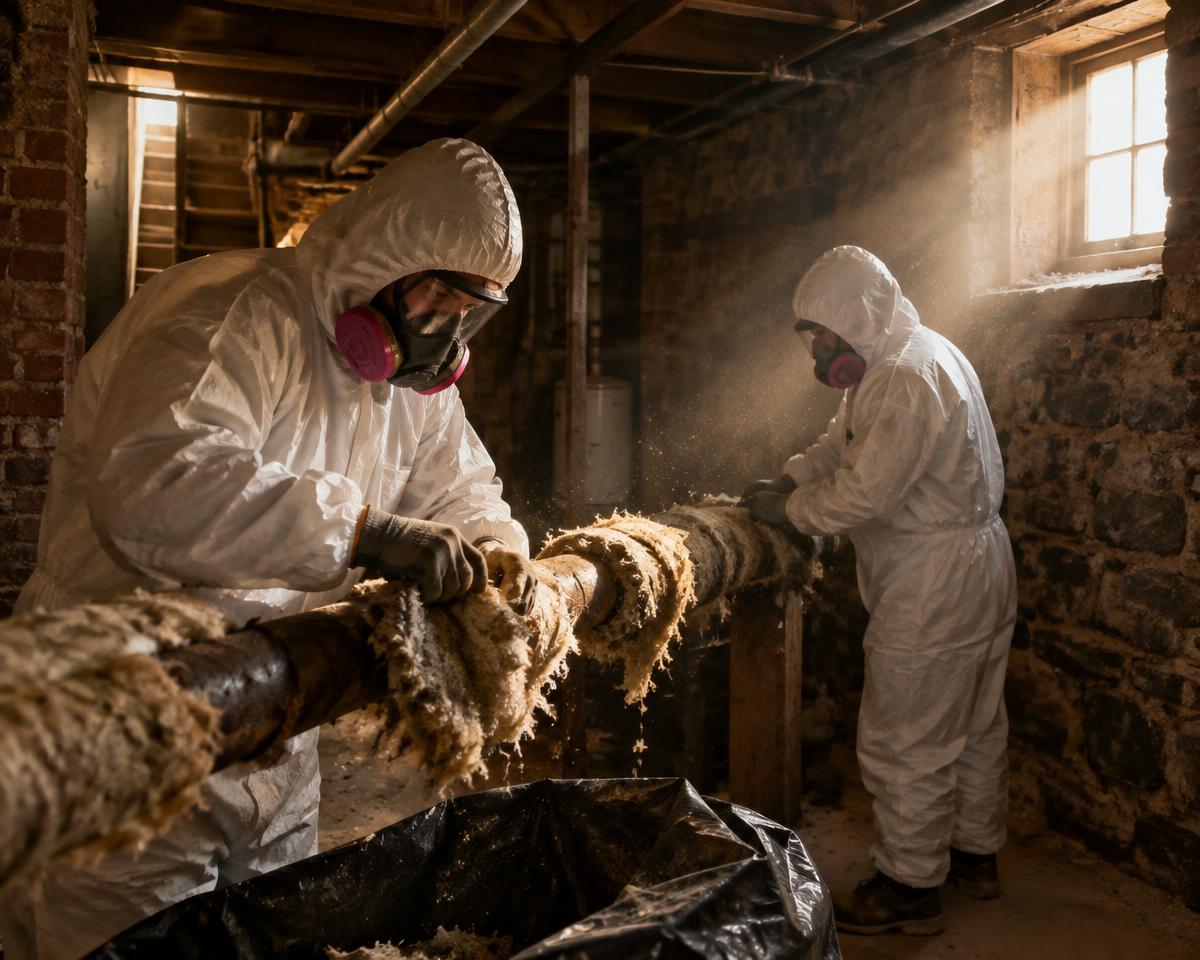
- Boiler and pipe insulation, including white or gray wrap on basement heating pipes
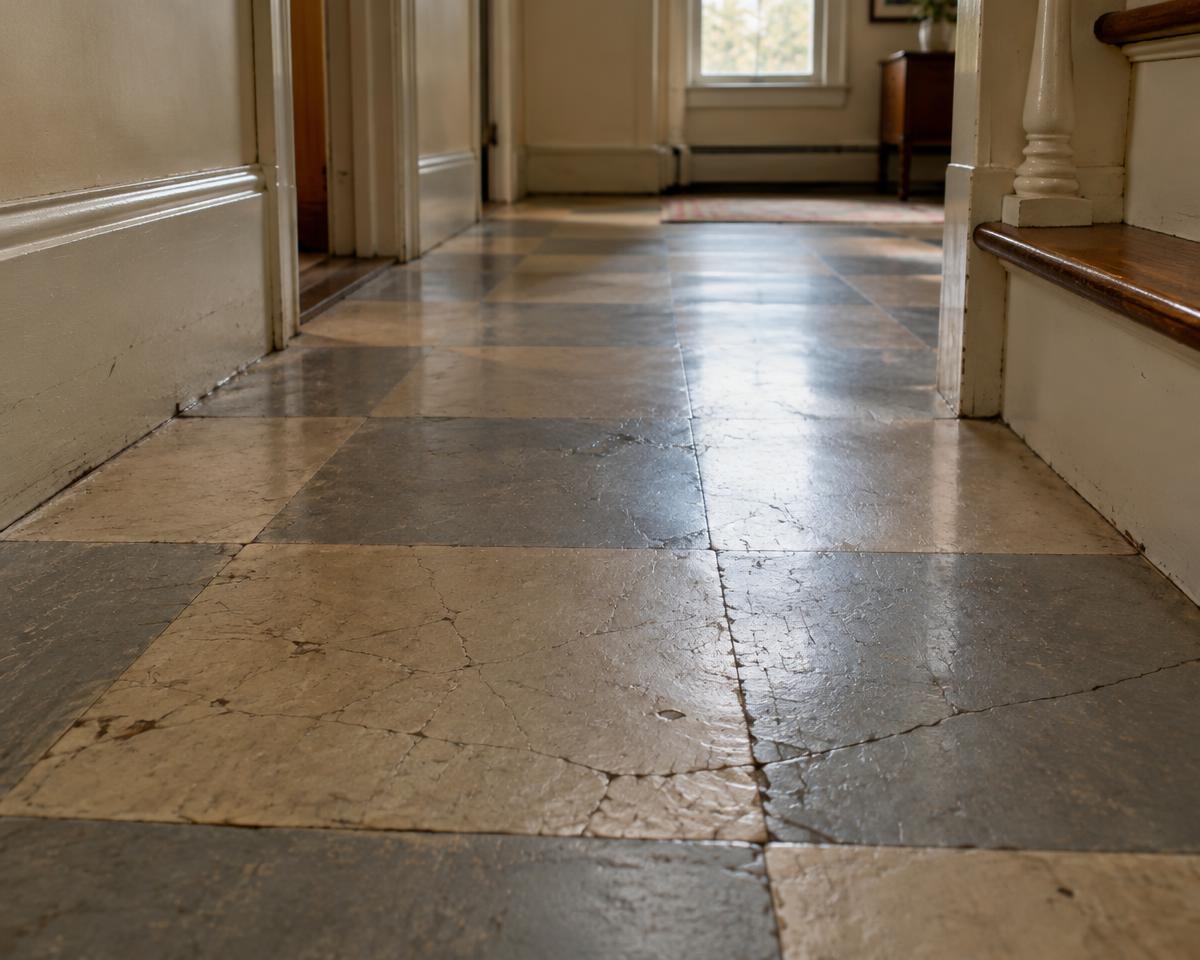
- Vinyl floor tile and mastic, especially older 9″ x 9″ tiles
- Plaster and joint compound in walls and ceilings
- Textured or “popcorn” ceilings
- Roofing and siding, including cement shingles and asphaltic materials
- Window glazing and caulking
- Vermiculite attic insulation
- Duct wrap and furnace components
You cannot identify asbestos by sight. Only laboratory testing of samples can confirm it.
Is asbestos dangerous if left alone?
Intact, undisturbed asbestos in good condition generally poses a limited risk. The danger comes when fibers become airborne through drilling, sanding, demolition, or deterioration. Inhaled fibers are linked to mesothelioma, lung cancer, and asbestosis, often decades after exposure.
That is why renovation is the highest-risk moment. A kitchen remodel in a 1950s house can release fibers in minutes.
What Massachusetts law requires
Massachusetts regulates asbestos through MassDEP (310 CMR 7.15) and the Department of Labor Standards (454 CMR 28.00):
- Owners and operators generally need an asbestos survey before renovation or demolition, regardless of the building’s age.
- Abatement must be done by DLS-licensed contractors using regulated work practices.
- Projects require notification to MassDEP and DLS at least ten working days before work begins.
What to do if you suspect asbestos
- Leave it alone. Don’t sand, scrape, drill, or sweep suspect material.
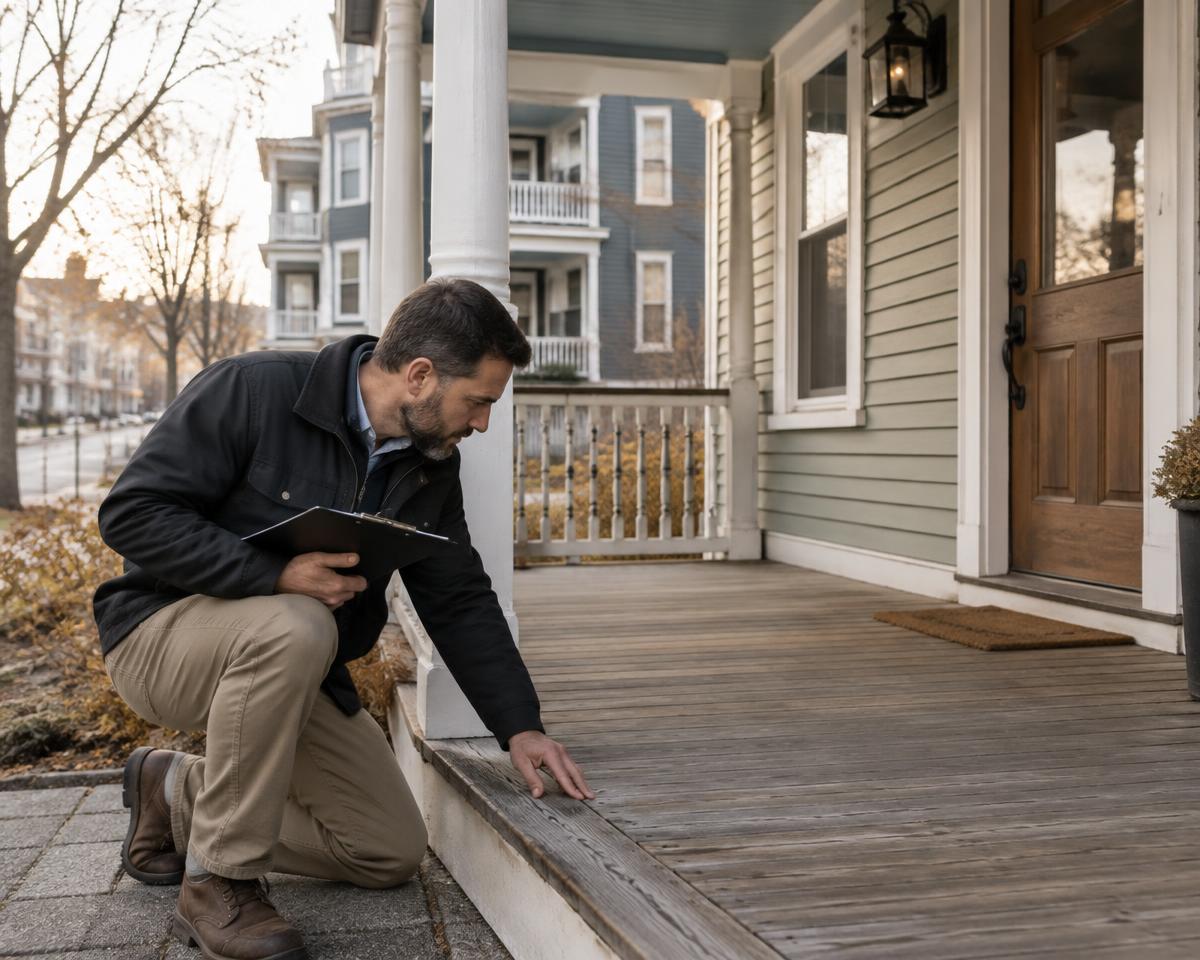
- Test before you renovate. A certified inspector can sample the material and send it to a lab.
- Plan around the results. Depending on condition and your plans, you may leave it, encapsulate it, or remove it.
- Use licensed professionals for any removal.
Talk to a certified Massachusetts team
JH Management Abatement Group has completed more than 2,400 Massachusetts projects. Every job is led by a DLS-certified supervisor and closed with independent third-party air clearance.
Suspect asbestos in your property? Request a free assessment or call (617) 955-6875.
FAQ
Is asbestos still used in the U.S. today?
Limited uses persisted until recently, and the legal status of the 2024 ban is unsettled. Existing buildings, however, contain far more asbestos than new products do.
What year did asbestos stop being used in homes?
There’s no single cutoff. Use declined through the 1970s and 1980s, but some products stayed on the market longer. Any home built before the 1990s is worth testing before renovation.
Do I have to remove asbestos from my home?
Not simply because it exists. Removal is typically triggered by damage, renovation, or demolition.